
Digital Edition
$9.00 USD
Instant PDF download, yours to keep forever.
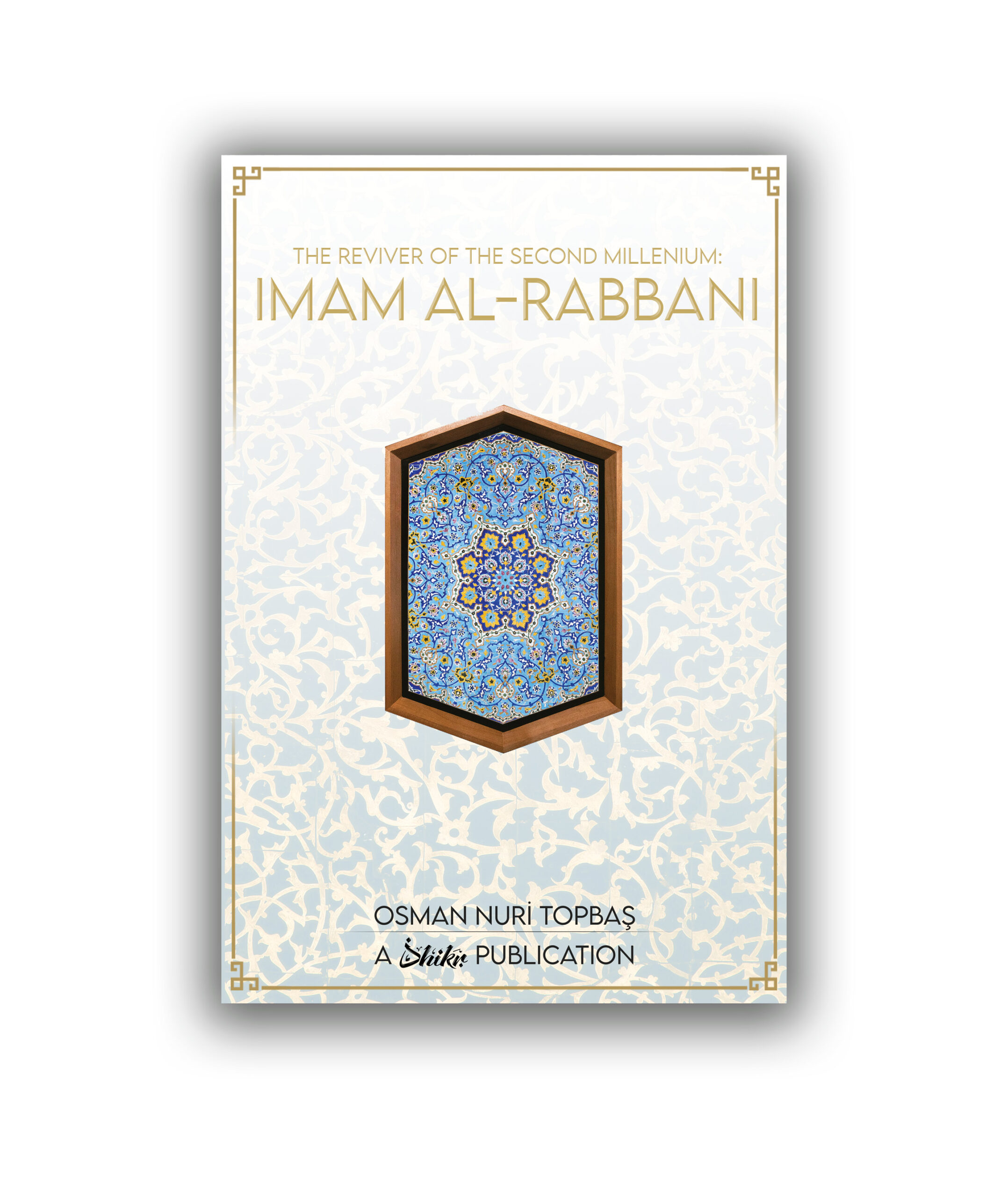
Al-Imam Al-Rabbani: Ahmed Sirhindi
The Reviver of the Second Millennium
by Osman Nuri Topbas · October 2020
The life of Imam Ahmed Sirhindi — al-Imam al-Rabbani, Reviver of the second millennium — who stood to preserve the faith of the common people when Emperor Akbar declared his new religion, Din-i Ilahi.
“Truly the heart does not intertwine its love with more than one thing. So long as it is entangled with the love of any one thing, it will not love another. Even if it is seen to have many desires and its love relates to many things around it such as wealth, children, leadership, praise, glory and status with people — in fact, its love is still only one and that is love for one’s own nafs (self)! For what is the love of all these things except branches and manifestations of one’s own love for one’s own self? His desire for these things is founded in seeking interest for his own self; he doesn’t seek those things in and of themselves. If this love for one’s self passes, so too, consequently, passes the love for all other things… As long as the servant doesn’t renounce the desire of his nafs completely, his Lord will not be his desire, nor will his heart accommodate the love of Allah.”
— al-Imam al-Rabbani
In 1582 CE, when Mughal Emperor Akbar declared his new religion — Din-i Ilahi, or the “Religion of God”, combining elements of Islam and Hinduism as well as other religions — among the notable Muslim scholars who stood up to preserve the faith of the common people was the great Imam, Ahmed Sirhindi.
Given the titles of al-Imam al-Rabbani and Mujaddid (Reviver) of the second (hijri) millennium, his life was expended in preserving the sound, orthodox beliefs of Islam as well as upholding the Sunnah of the Prophet ﷺ. His efforts saw Islam not only maintaining its foothold but spreading across the sub-continent, Central Asia and Asia Minor.
It is hoped this translation into English from the works of respected Turkish scholar Osman Nuri Topbas can be a gentle introduction to the life and works of this great Imam, whose life has otherwise been relatively overlooked.